

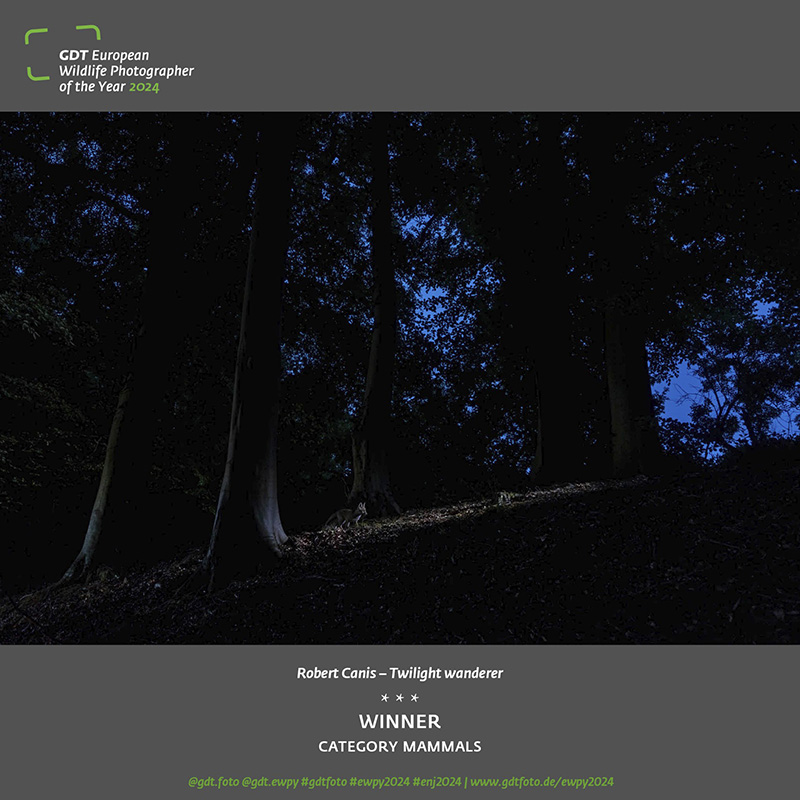
Up until yesterday, I was hosting a workshop in Prague and with it being a serious case of planes, trains and automobiles, sadly, I was unable to attend in Lunen, Germany. This is a prestigious award that I am thrilled to have received not least because there were close to 18,000 entries from more than 30 countries.
The image was made as part of an extensive 6-year project to photograph the grounds and wildlife of Leeds Castle in Kent. Self-assigned and with the permission and cooperation of the estate, innumerous mornings and evenings (and nights) were spent beside its lakes, on the grasslands and within woodlands in an attempt to capture its natural inhabitants. What was/is to become of the collection? At the time, I didn't have an objective for it was enough to simply have a focus and enjoy the experience of, quite literally, having the entire estate to myself. As I walked along its paths as dawn was breaking or as night was closing in, there were times I had to pinch myself for there are few that are fortunate to experience solitude in such a beautiful environment in the southeast of England.
A book, perhaps?...
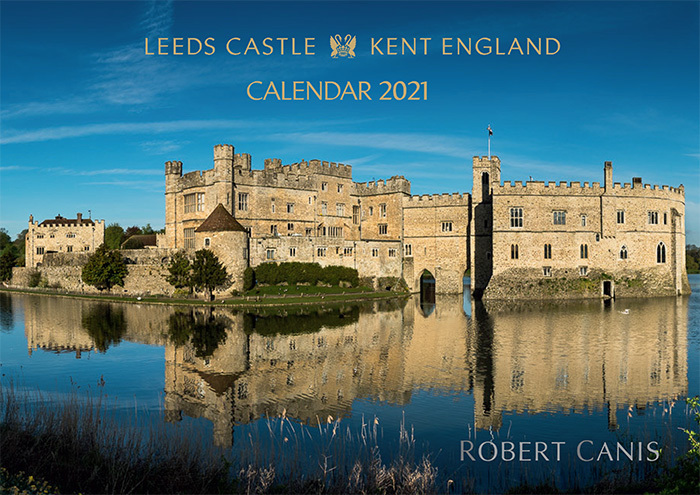
Three years ago, Leeds Castle produced a beautifully produced calendar of my images and my goal, now, is to publish a book. It would be a shame, I think, to keep all those experiences on a hard drive when they should be seen by others and as a set. It is something I am currently working on and hope it will come to fruition in the not-too-distant future.
Making of the photo
Away from the grounds and castle that are visited by the public, the estate owns many more hundreds of acres of adjoining downland and woodland, and it was in a small beechwood that I came across a badger sett and, one morning, fox cubs as they played some 100, or so, metres away. In an effort to ascertain more information about their movements, I returned the following afternoon and placed a couple of trail cameras along well-worn paths. The 'cams' were collected one week later and footage showed lots of activity from both and at all hours. It was now time to bring in the hardware! By this time, I had spent the last couple of years almost entirely dedicated to the 'art' of camera trapping so I had a pretty good handle on the technicalities. It was the aesthetics that took up the bulk of my time for I didn't just want a frame-filling image that says little about the creature and its environment; I wanted to convey a sense of place and scale. I had to decide whether I was to capture them at dawn/dusk or during the day. You can't do both! Dawn and dusk would almost certainly produce a more atmospheric photograph, so the necessary settings were applied to both the PIR (Passive Infrared Receiver) and Nikon D3200. Why not the latest Z8, for example? Two reasons. Firstly, it's important that the camera has a standby mode that can last for many days, weeks even. Most mirrorless cameras, including the Z8 and 9 cannot. And, secondly, unless you are forced, you never put out a camera that would break your heart (and bank) should it ever get stolen! The wood is private but in my experience that rarely stops folk from entering. Why do people think it's OK to enter private land? I wonder how they might react if someone strolled through their back garden?!
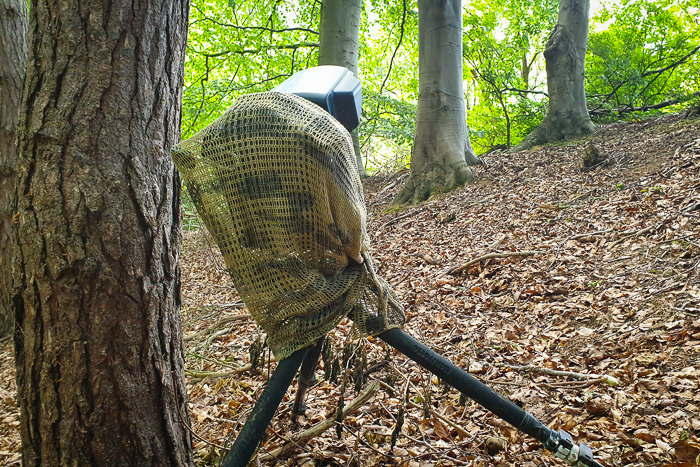
Camtraptions weather-sealed camera housing.
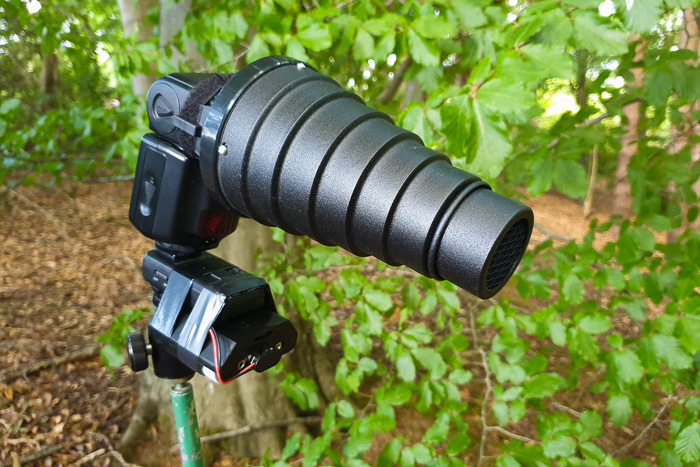
Snoot attached to the Nikon SB28 to concentrate spill and an external battery pack added to the flash trigger.
All this, of course, is done during the day so you have to work hard to visualise how it might work at, say 4am. You can never be 100% certain, you simply have to rely on instinct and, most importantly, experience. Six hours later and content with the set-up, I left and resisted the urge to return until 3 days had elapsed. It's important not to visit too often since you run the risk of contaminating the site with your scent thereby lessening the chances of the subject appearing. Inevitably, there were many images of rear-ends, rabbits and, sometimes, nothing at all, but two weeks and multiple visits later - and with a number of fox and badger photos 'in the bag' - it was this particular photograph that caught my attention most.
Huge congratulations must go out to all the other winners and, in particular, Jaime Rojo, for his stunning winning image: In the forest of monarchs. You can see all the winning entries, here.
You can read more about my camera trap exploits in a feature I wrote for Outdoor Photography magazine, here.
