



© 2026 Robert Canis
Twilight
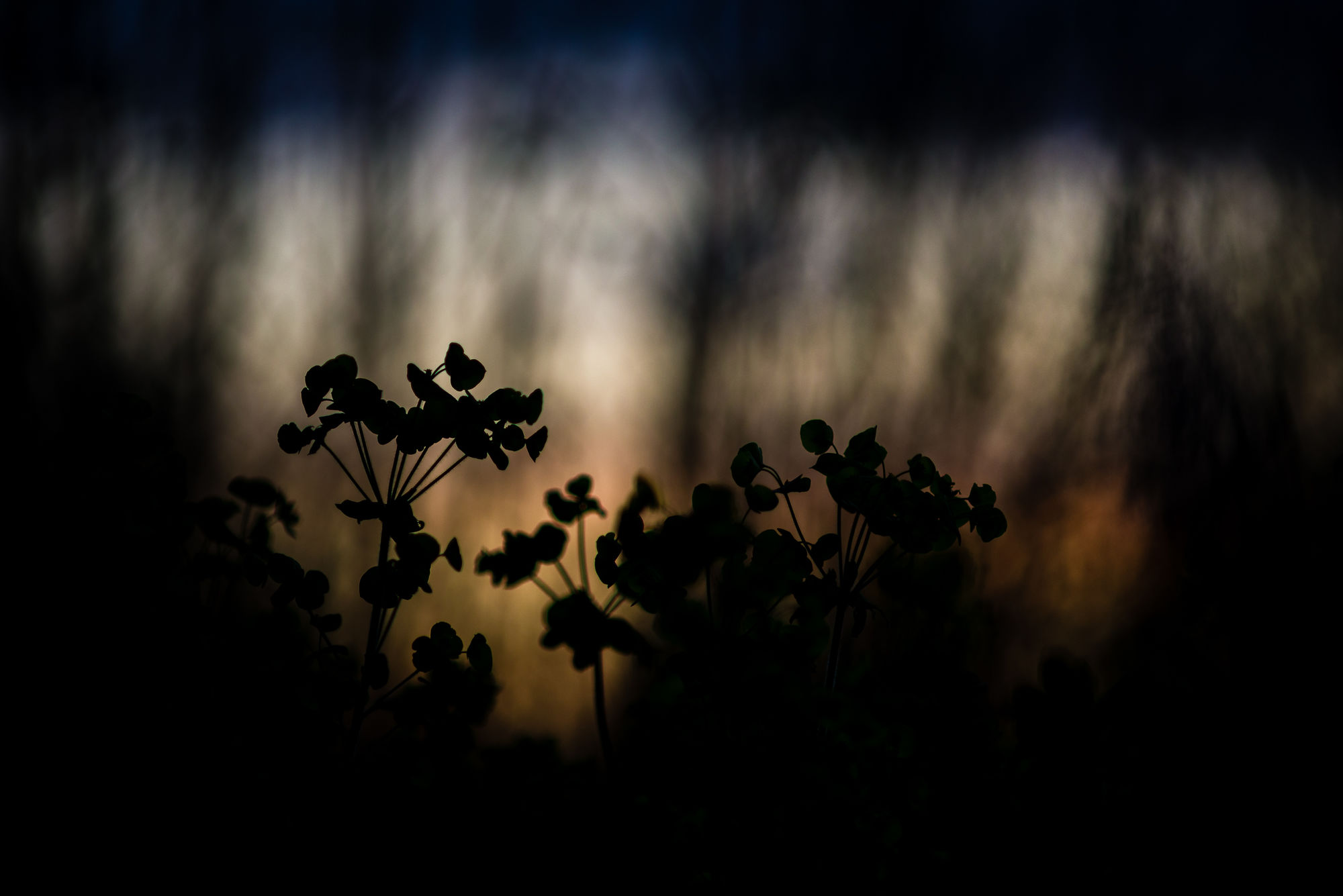
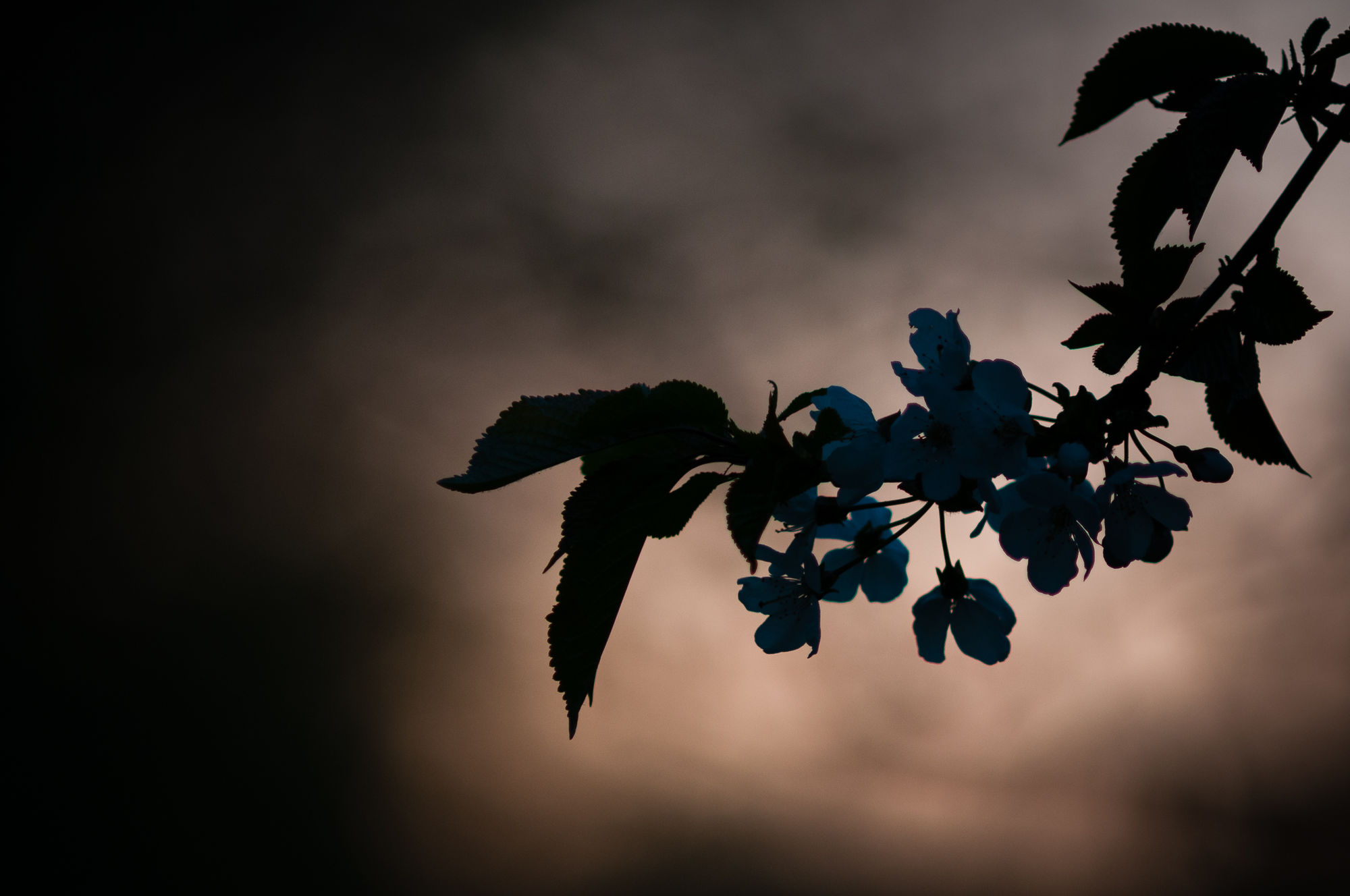
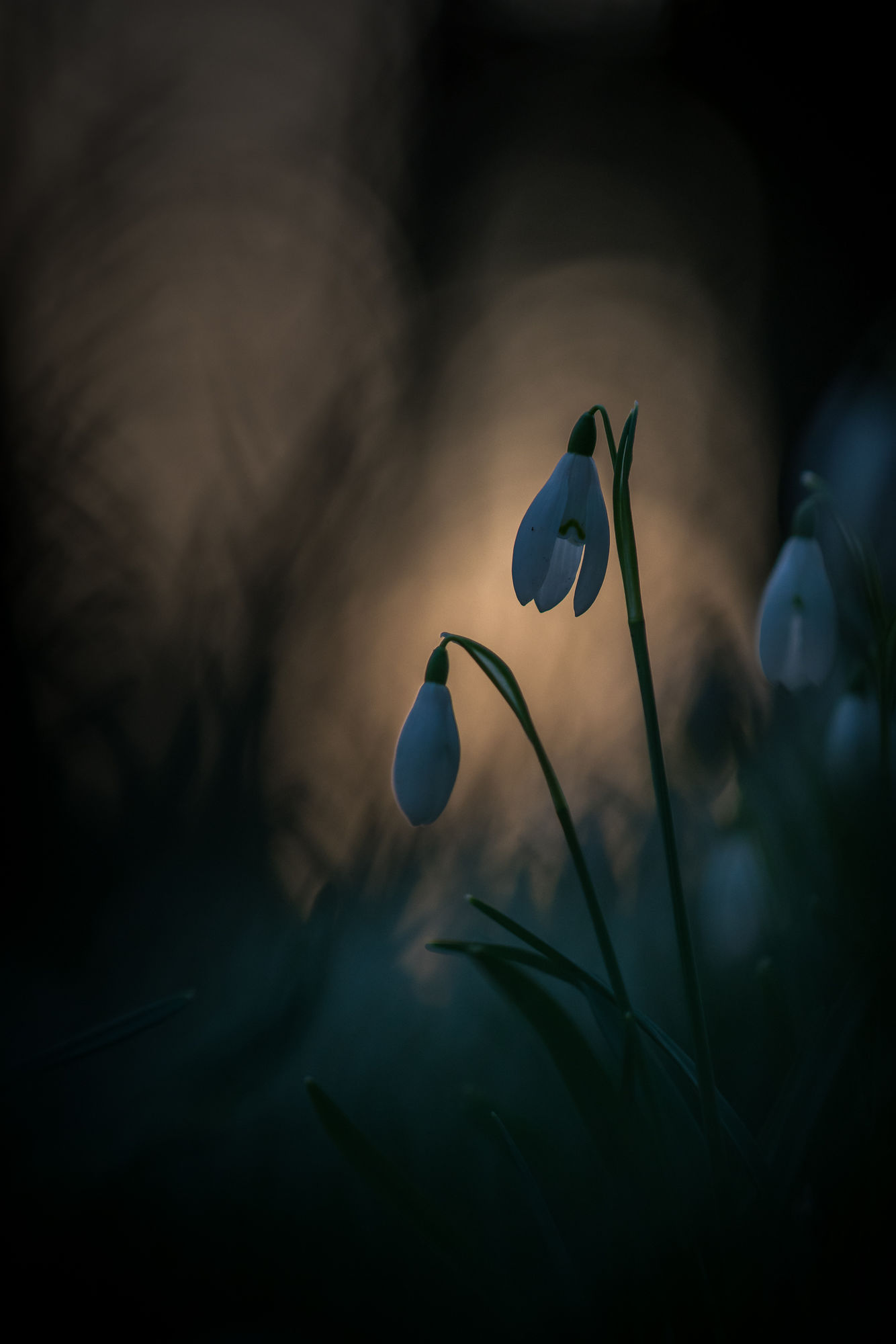
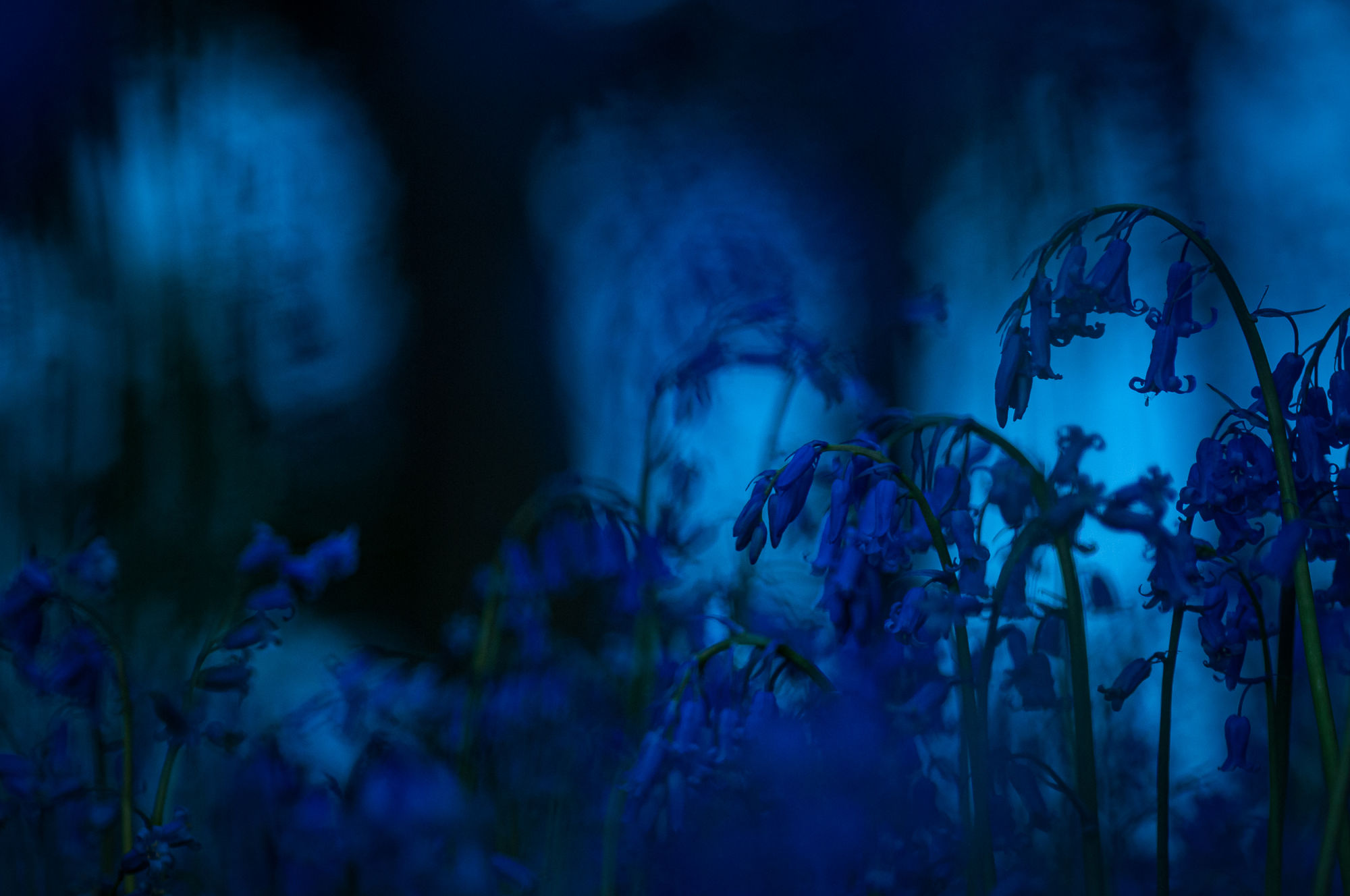
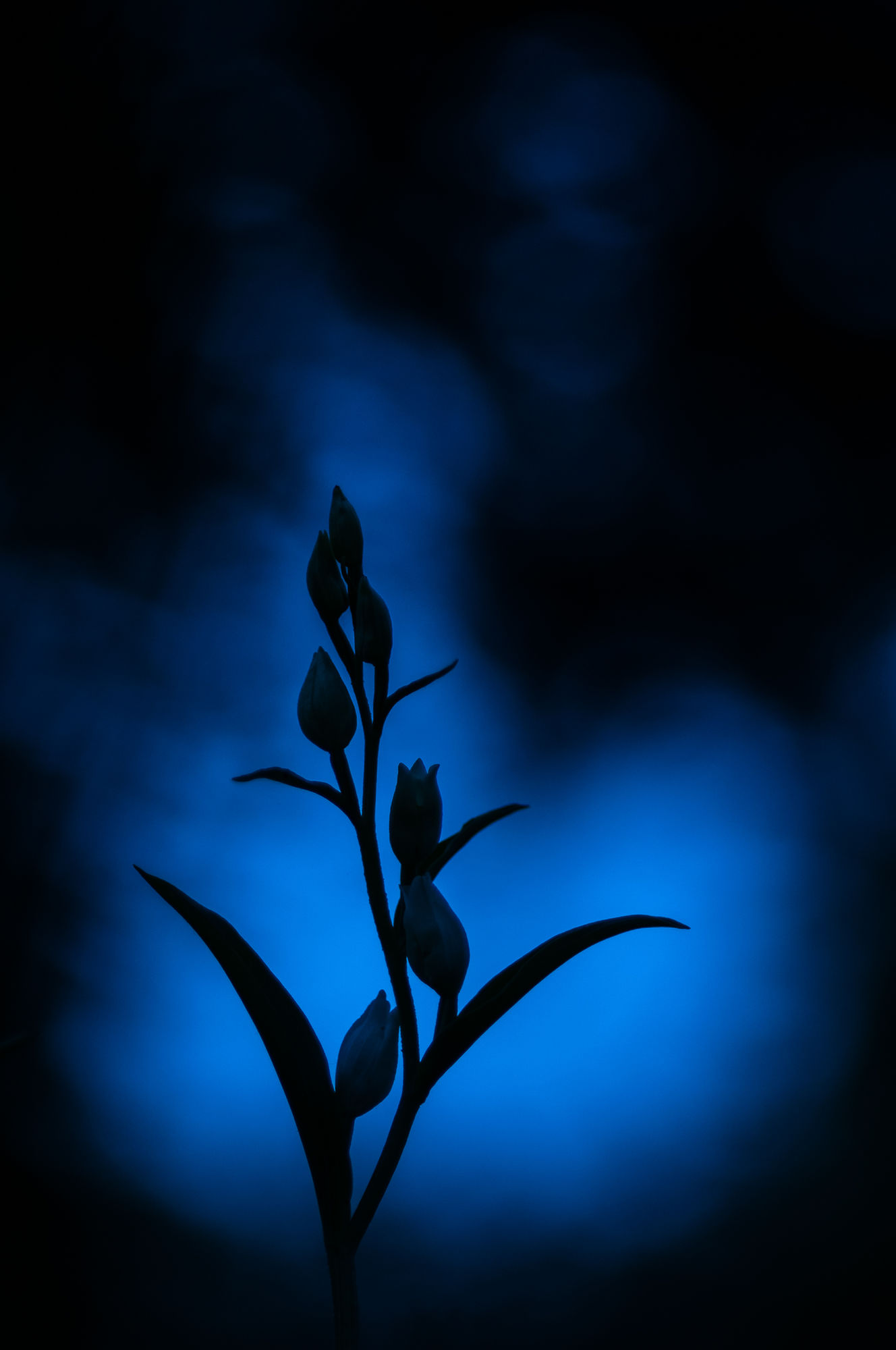
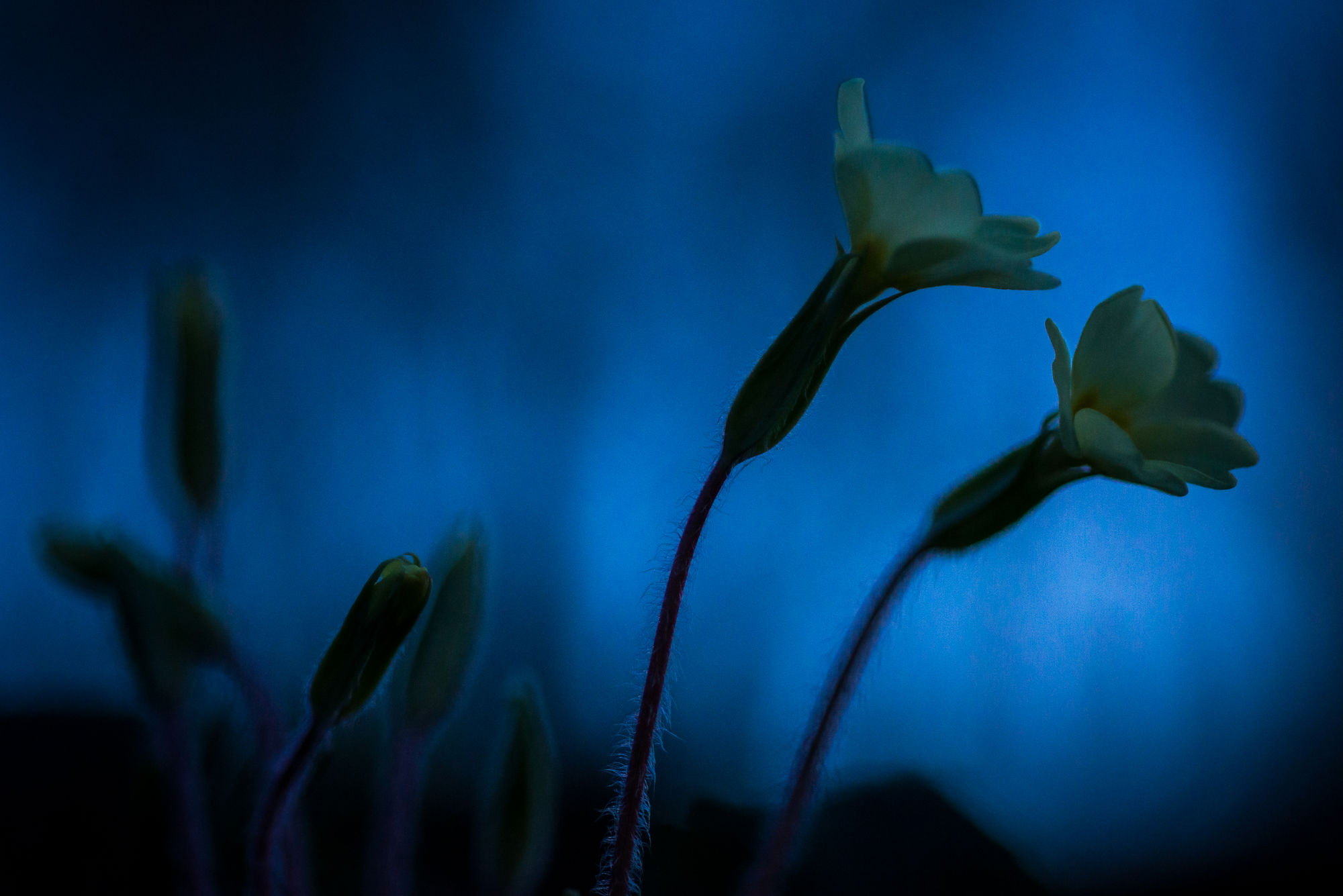
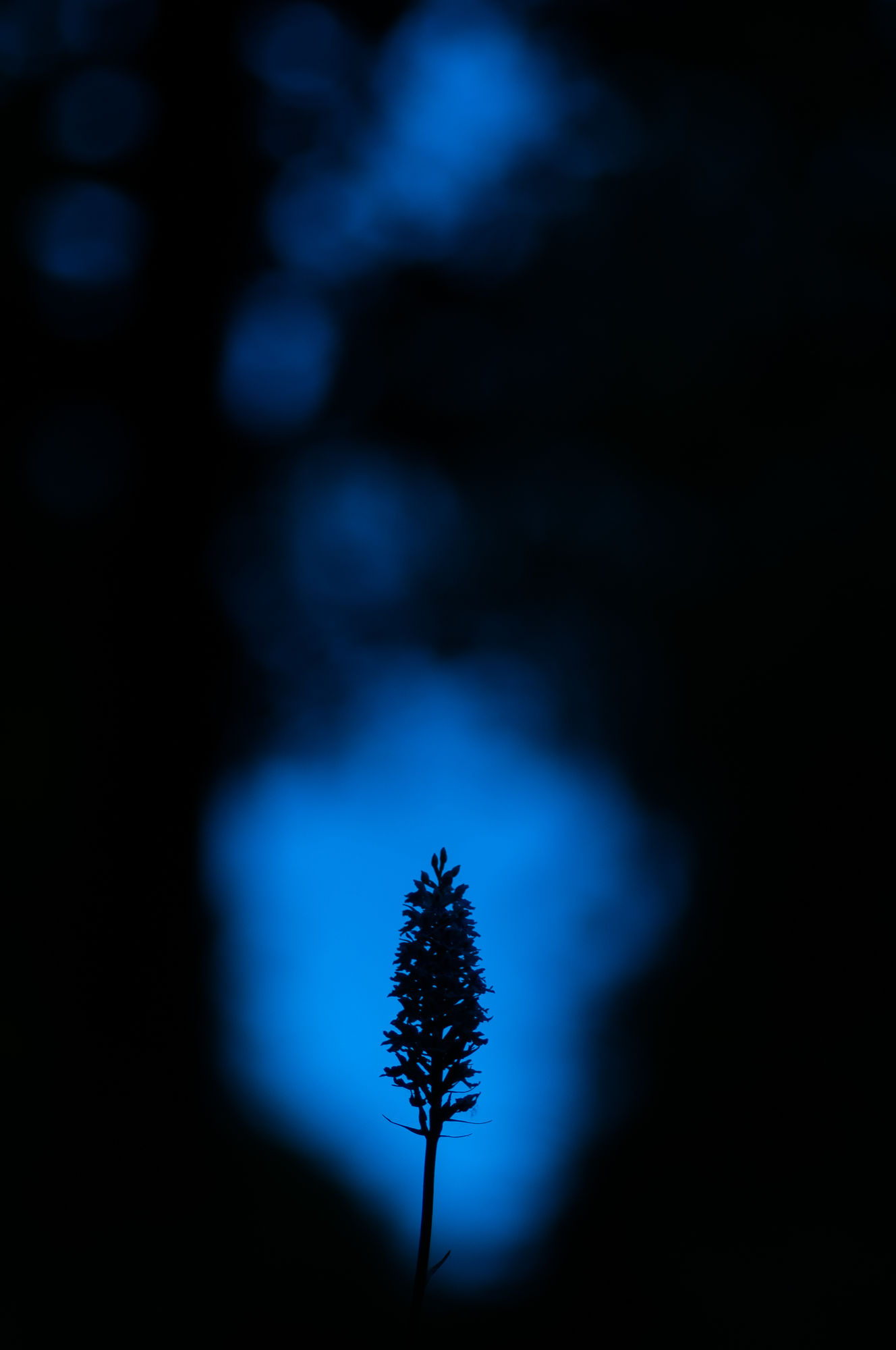
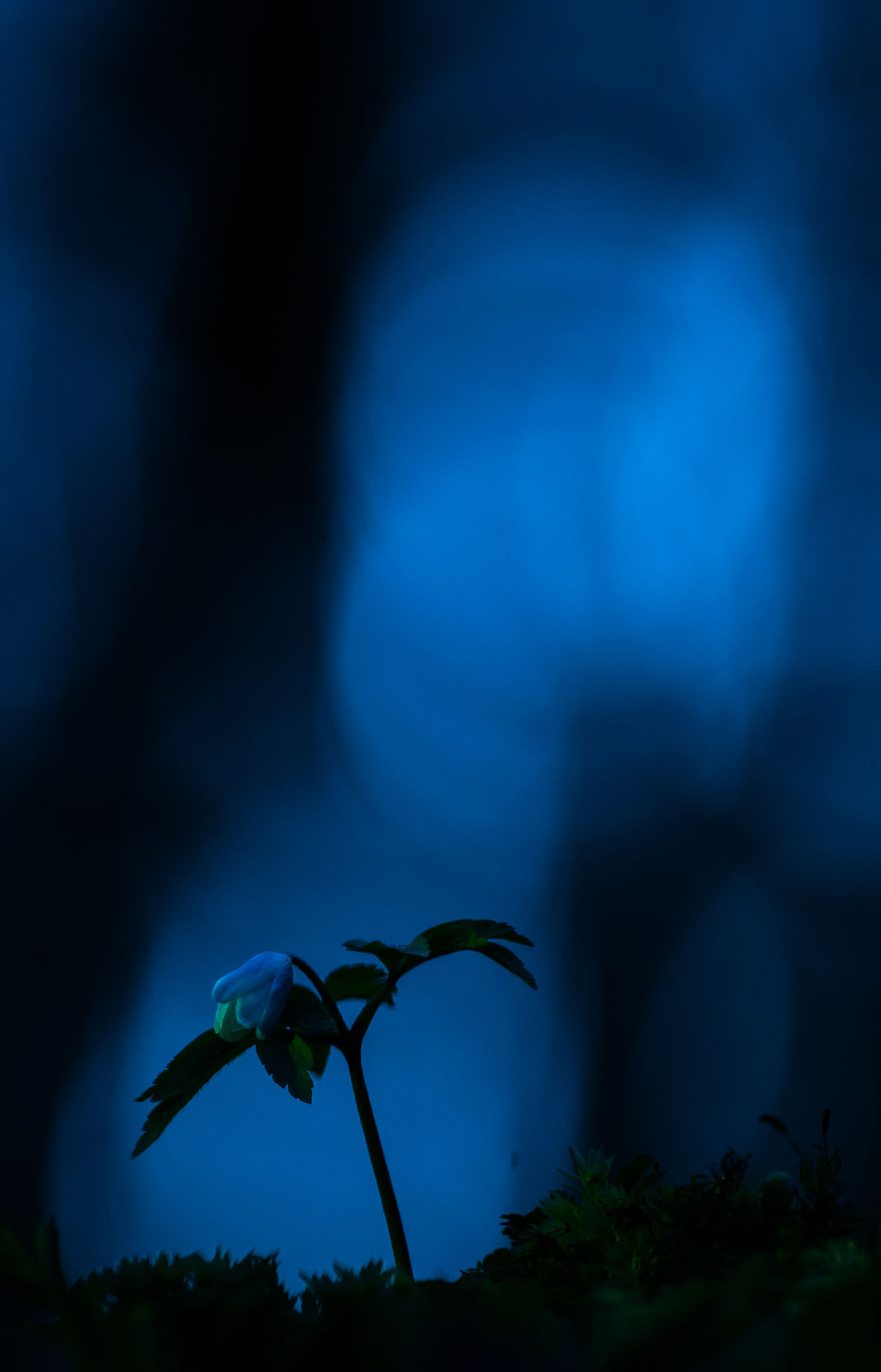
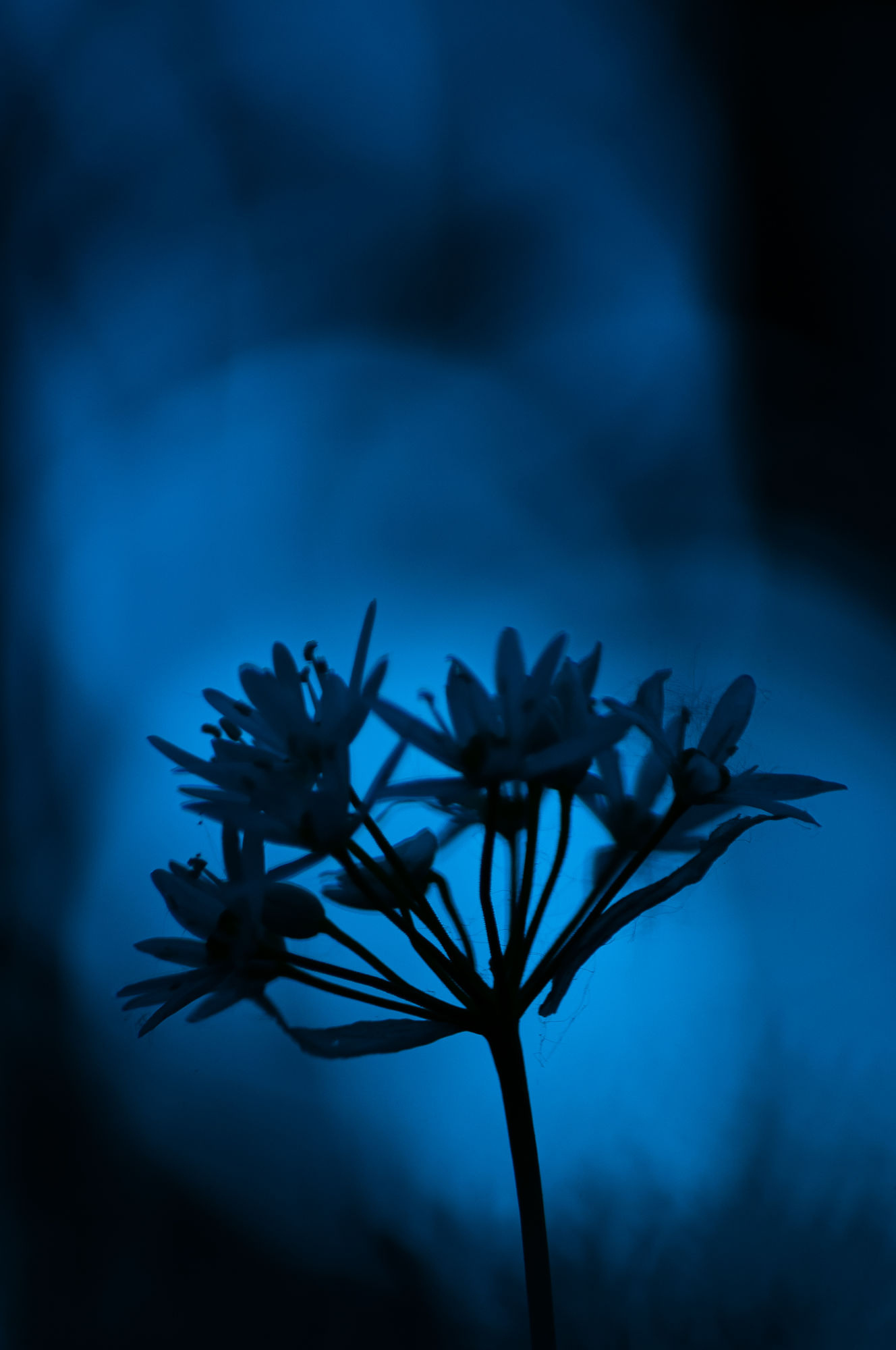
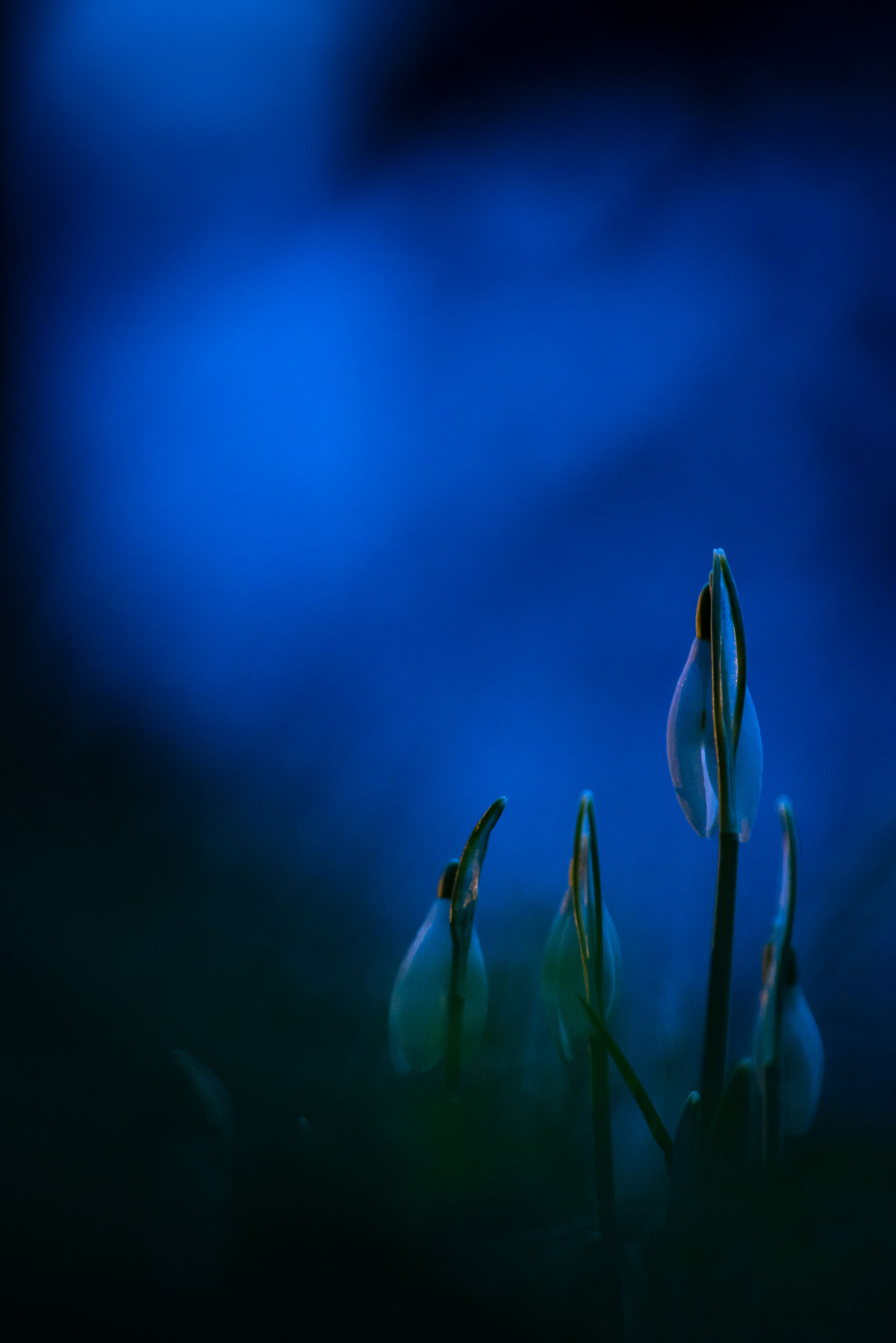
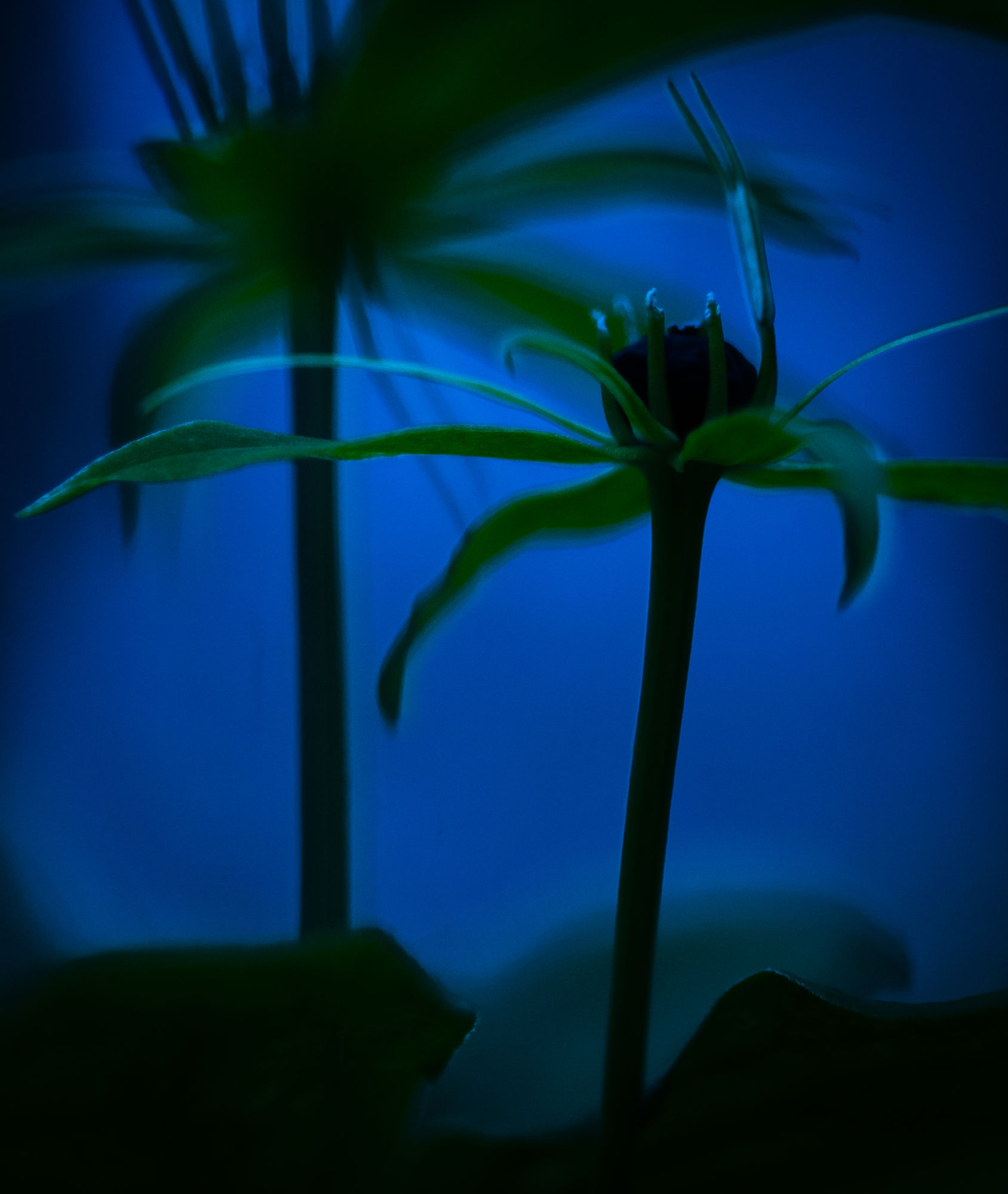
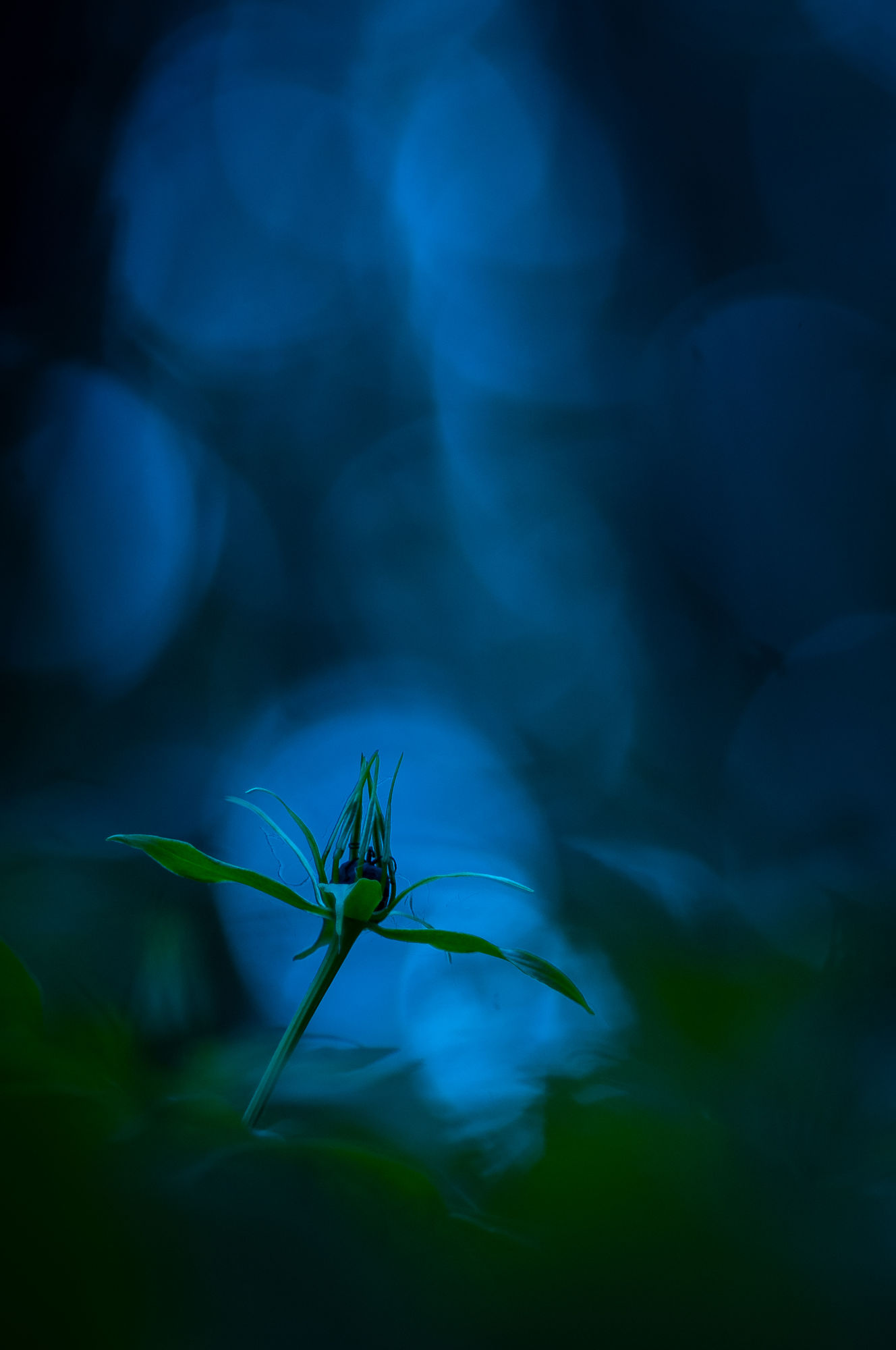
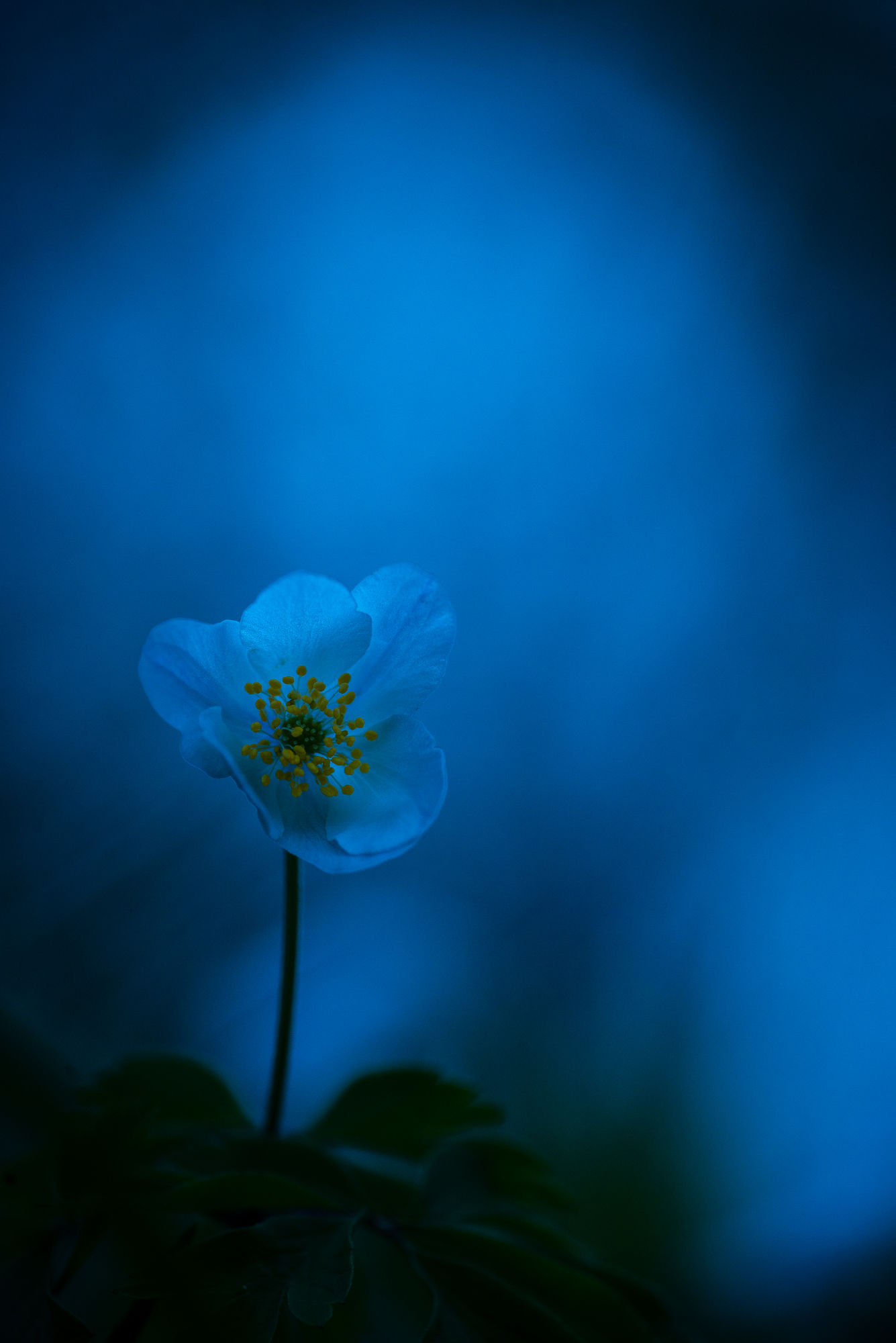
In the spring of 2013, I undertook a project to photograph plants during the blue hour. Like many others I’m forever striving to improve my photography and try out different techniques in the hope of producing something fresh and original, to draw the viewer in and look more closely as opposed to merely moving from one image to another. From what I could see at the time (through searching on Google images) barely any had been created during this period, and that was all the motivation I required! It also wasn’t weather dependent and subject matter lay all around, so if I’d spent the day at home processing images I could still pop out for a couple of hours to a nearby woodland and look for subjects, thereby ensuring I remained productive.
Initially, the project was only meant to last a couple of months but it went on for a further two years. I would head out an hour before sunset to seek out potential subjects and begin shooting as the sun slipped below the horizon. Often I would go out with a specific image in mind (as in the case of Bluebells and Grasses) but on other occasions, I would simply see what I could find. I quickly learnt that no matter how interesting it looked through the viewfinder as sunset approached its appearance would change rapidly as the light faded. Warm tones would turn blue, gaps through trees would emerge revealing an aperture in which to place the subject, and intricate details on flowers would slowly disappear to eventually form a silhouette.
Ultimately, I want people to appreciate and care about our immediate environment, and for photographers not to think you have to travel to far-flung destinations to obtain rewarding images. My ethos has always been to work close to home and this project is a testament to that where all were taken less than 5 miles from where I live.
Equipment note
Since the project was carried out over a sustained period a number of camera bodies were used which included a Nikon D300, D300s, D600 and D610. Both the Nikon 105mm and 200mm Micro's were employed and ISOs ranged from 200 to 3200 which was primarily governed by any wind that was present. Since exposure times were relatively long (up to 20 seconds in some cases) a Manfrotto 055 carbon fibre tripod with a Markins head was used. Last but not least was a small torch to aid focus.
FREE EBOOK
10 tips for better wildlife & landscape photos
Monthly news & early access to NEW workshops
SUBSCRIBE
We respect your privacy
Unsubscribe at any time

Website by Beachshore